When your beloved companion enters their golden years, senior pet health becomes more than just routine care—it becomes a compassionate commitment to ensuring every day is filled with comfort, joy, and vitality. At Wellness Pet Health, we understand that caring for senior pets requires specialized knowledge, premium nutrition, and proactive health management that goes beyond basic veterinary visits. Our comprehensive approach to senior pet health combines expertly formulated senior pet food designed for aging metabolisms, targeted pet supplements and pet vitamins that support joint health, cognitive function, and immune strength, plus guidance on pet insurance options that protect your family's financial wellbeing while ensuring your senior pet receives the best possible care. Whether you're noticing the first silver whiskers on your dog's muzzle, helping your cat navigate age-related changes, or seeking preventive strategies to help your pet age gracefully, our evidence-based wellness solutions are specifically designed to address the unique challenges and opportunities that come with senior pet health management. Every aging pet deserves to thrive in their later years, not just survive them.
Ready to give your senior pet the specialized care they deserve? Explore our complete Senior Pet Wellness Program today and discover how the right combination of nutrition, supplements, and preventive care can add years of comfort and happiness to your companion's life—because their golden years should truly shine.

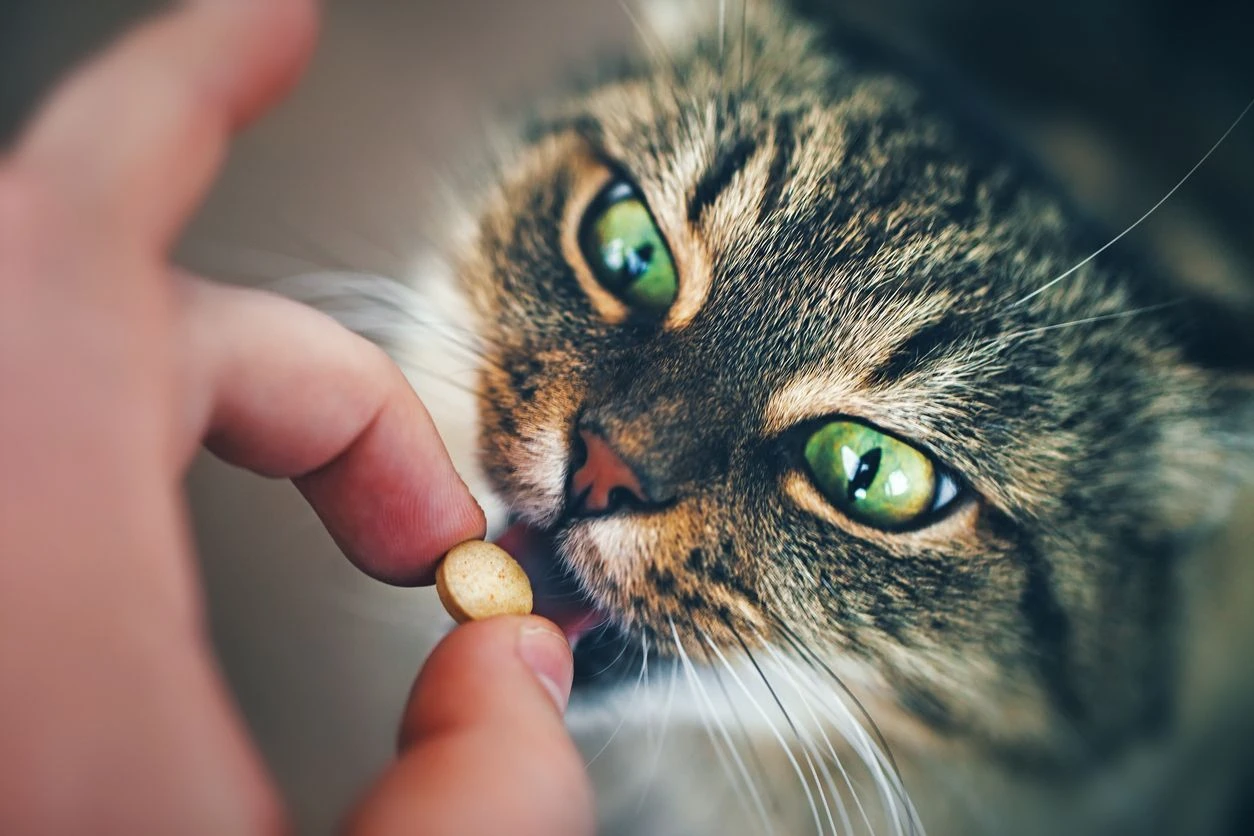




When your furry family member starts sporting distinguished gray whiskers or takes a little longer to hop onto their favorite couch, you know they've entered a special phase of life. Senior pet health becomes a priority that requires thoughtful attention, but it doesn't have to be overwhelming. Think of it as graduation to a new level of care – one where comfort, prevention, and quality of life take center stage.
Just like we adjust our own routines as we age (hello, reading glasses and morning stretches!), our beloved pets need customized care approaches that honor their changing bodies and minds. The good news? With proper attention to senior pet health, many pets enjoy vibrant, comfortable golden years filled with tail wags, purrs, and plenty of cozy nap sessions.
The transition to senior status isn't marked by a single birthday cake with extra candles. Generally, dogs are considered seniors around 7-8 years old, though larger breeds may reach this milestone earlier due to their shorter lifespans. Cats typically join the senior club around 7-10 years old. However, individual pets age at different rates – some spry 10-year-olds act like puppies, while others show age-related changes earlier.
Senior pet health considerations begin when you notice subtle shifts in your pet's routine. Maybe they need an extra moment to stand up after a nap, or they've developed a preference for softer sleeping spots. These gentle changes signal it's time to adjust your pet wellness approach to match their evolving needs.
The key is recognizing that aging isn't a disease – it's a natural process that brings unique joys alongside new responsibilities. Senior pets often become wonderfully mellow companions who appreciate slower walks, longer cuddle sessions, and the simple pleasure of being near their favorite humans.
Senior pet health thrives on proactive prevention rather than reactive treatment. Think of preventive care as your pet's health insurance policy – regular investments that pay enormous dividends in comfort and longevity.
Senior pets benefit tremendously from bi-annual veterinary examinations instead of the annual visits that suffice for younger animals. These increased check-ups allow veterinarians to catch subtle changes before they develop into serious health concerns. During these visits, your veterinary team conducts comprehensive physical examinations, including:
Regular bloodwork becomes increasingly valuable for senior pets, serving as an early warning system for conditions like kidney disease, liver dysfunction, diabetes, and thyroid disorders. Many veterinarians recommend baseline senior panels around age 7, followed by annual or bi-annual testing depending on individual health status.
While core vaccines remain important throughout a pet's life, senior pet health management may require adjusted vaccination protocols. Older pets with compromised immune systems might need modified schedules, while those with chronic conditions may require special consideration for vaccine timing and selection.
Your veterinarian will evaluate your senior pet's individual risk factors, lifestyle, and health status to determine the most appropriate vaccination strategy. This personalized approach ensures protection while minimizing unnecessary stress on aging immune systems.
Proper nutrition forms the cornerstone of senior pet health, but the dietary needs of aging animals differ significantly from their younger counterparts. Senior pets often require carefully balanced nutrition that addresses changing metabolism, decreased activity levels, and potential health conditions.
Senior pet foods typically feature easily digestible proteins that reduce kidney workload while maintaining muscle mass. Many formulations include added fiber to support digestive health and help with weight management. Joint-supporting nutrients like glucosamine and chondroitin become standard additions, while omega-3 fatty acids provide anti-inflammatory benefits for everything from arthritis to cognitive function.
The texture of food matters more for senior pets. Those with dental issues may benefit from softer kibble or wet food options. Some seniors develop preferences for warmed food, which enhances aroma and makes meals more appealing to potentially diminished senses.
Maintaining optimal body weight becomes crucial for senior pet health as excess pounds place additional stress on aging joints, organs, and cardiovascular systems. However, weight management requires a delicate balance – too aggressive calorie restriction can lead to muscle loss, while overfeeding exacerbates age-related conditions.
Senior pets often need fewer calories due to decreased activity levels and slower metabolisms. Working with your veterinarian to establish appropriate feeding amounts and exercise routines helps maintain ideal body condition throughout the aging process.
Pet wellness in the senior years requires thoughtful modification of exercise and enrichment activities. The goal shifts from high-intensity workouts to gentle, consistent movement that maintains mobility without causing strain or discomfort.
Senior dogs still need daily exercise, but the approach becomes more nuanced. Shorter, more frequent walks often work better than long hiking adventures. Swimming provides excellent low-impact exercise for dogs with arthritis, while gentle indoor play sessions help maintain flexibility and strength.
For senior cats, encouraging movement through interactive toys, puzzle feeders, and strategically placed climbing opportunities helps maintain muscle tone and joint flexibility. The emphasis shifts to making movement enjoyable rather than demanding.
Mental stimulation becomes increasingly important for senior pet health as it helps maintain cognitive function and prevents boredom-related behavioral issues. Simple puzzle feeders, hide-and-seek games with treats, and basic training sessions provide mental exercise without physical strain.
Environmental enrichment takes on new importance for senior pets. Comfortable resting spots, easy access to favorite perches, and sensory stimulation through safe scents or textures all contribute to pet wellness in the golden years.
Understanding common senior pet health challenges empowers owners to seek appropriate care and make informed decisions about their pets' comfort and treatment options.
Arthritis affects a significant percentage of senior pets, but modern management approaches can maintain comfort and mobility. Early signs include stiffness after rest, reluctance to jump or climb, and subtle changes in gait or posture.
Comprehensive arthritis management for senior pet health often includes:
Cognitive dysfunction syndrome affects many senior pets, causing symptoms similar to dementia in humans. Pet owners might notice disorientation, altered sleep patterns, changes in social interaction, or house-training lapses.
While cognitive changes can't be reversed, various strategies support senior pet health and maintain quality of life. Consistent routines, mental stimulation, appropriate nutrition, and environmental modifications help manage symptoms and slow progression.
Many senior pets experience gradual vision or hearing loss, but they adapt remarkably well with supportive care. Maintaining familiar furniture arrangements, using verbal cues for pets with hearing loss, and providing tactile guidance helps them navigate confidently.
Pet wellness for seniors with sensory changes focuses on safety modifications and patience as pets adjust to their new ways of experiencing the world.
Chronic kidney disease affects many senior pets, developing gradually and often going unnoticed until advanced stages. Regular bloodwork helps detect kidney dysfunction early when dietary management and supportive care remain most effective.
Signs of kidney disease include increased water consumption, frequent urination, decreased appetite, and weight loss. While kidney disease isn't curable, proper management significantly improves quality of life and slows progression.
Cardiovascular disease becomes more prevalent with age, particularly in certain breeds predisposed to heart conditions. Regular veterinary monitoring helps detect heart murmurs, irregular rhythms, or other cardiovascular changes before they cause obvious symptoms.
Senior pet health management for heart conditions typically involves dietary modifications, appropriate exercise levels, and medications when necessary to support cardiac function.
Cancer rates increase with age in pets, making early detection crucial for treatment success. Regular veterinary examinations help identify suspicious lumps, bumps, or other changes that warrant further investigation.
While cancer diagnosis can be frightening, many treatment options exist that can extend quality life while maintaining comfort. Open communication with veterinary oncologists helps families make informed decisions about their pets' care.
Creating a senior-friendly environment significantly impacts pet wellness and daily comfort. Simple modifications can make enormous differences in your aging companion's quality of life.
Senior pets often appreciate warmer environments and may benefit from heated beds or cozy blankets. Temperature regulation can become more challenging with age, so providing options for warmth or cooling helps maintain comfort throughout different seasons.
While quality senior pet foods provide balanced nutrition, certain supplements may offer additional benefits when used appropriately under veterinary guidance. Senior pet health supplements should complement, not replace, proper nutrition and veterinary care.
Glucosamine, chondroitin, and omega-3 fatty acids are commonly recommended for senior pets with arthritis or joint stiffness. These senior pet supplements may help maintain cartilage health and reduce inflammation, though individual responses vary.
Some supplements and senior pet vitamins marketed for cognitive support contain antioxidants and other nutrients that may benefit brain health. While research continues in this area, these products should be discussed with veterinarians to ensure safety and appropriateness.
Probiotics and digestive enzymes might benefit senior pets with sensitive stomachs or those taking medications that affect gut health. Again, veterinary guidance ensures appropriate selection and dosing.
Senior pet health increasingly focuses on comfort and quality of life rather than simply extending lifespan. Recognizing pain in pets requires careful observation since animals instinctively hide discomfort.
Regular quality of life assessments help families make difficult decisions about their senior pets' care. These evaluations consider mobility, appetite, social interaction, pain levels, and overall enjoyment of daily activities.
Many veterinarians use standardized quality of life scales that help objectively assess whether pets are experiencing more good days than difficult ones. These tools provide valuable guidance for families navigating end-of-life decisions.
Senior pet health benefits enormously from strong relationships with knowledgeable veterinary professionals who understand the unique needs of aging animals. These partnerships involve:
Open, honest communication about observations, concerns, and treatment goals helps veterinary teams provide personalized care recommendations. Discussing budget considerations allows for realistic treatment planning that balances medical needs with financial constraints.
Some senior pets benefit from specialist consultations for complex conditions. Veterinary ophthalmologists, cardiologists, oncologists, and other specialists offer advanced diagnostic capabilities and treatment options for specific health challenges.
Senior pets may experience health emergencies requiring immediate attention. Knowing the location of 24-hour veterinary facilities and understanding basic first aid principles helps families respond appropriately during urgent situations.
Pet wellness in the senior years extends beyond medical management to encompass emotional well-being and family bonding. These precious golden years offer unique opportunities for deeper connections and meaningful experiences.
While senior pets may not tackle mountain hikes, they often enjoy car rides to new locations for gentle exploration. Beach visits, park picnics, or simply sitting together in sunny garden spots create wonderful memories while accommodating physical limitations.
Capturing the distinguished beauty of senior pets through photography preserves precious memories of this special life stage. Those gray whiskers and gentle eyes tell stories of years of loyalty and love.
Many senior pets develop sweet rituals around comfort activities – morning sunshine sessions, evening gentle brushing, or special treat times. Honoring these preferences shows respect for their individual personalities and needs.
Senior pet health represents both a privilege and a responsibility. Not every pet has the opportunity to reach their golden years, making this phase of life particularly precious. While aging brings changes and challenges, it also offers opportunities for deeper appreciation of the remarkable bonds we share with our animal companions.
The key to successful pet wellness in the senior years lies in adaptation, observation, and proactive care. By working closely with veterinary professionals, making thoughtful environmental modifications, and paying attention to changing needs, we can help our aging pets maintain comfort, dignity, and joy throughout their golden years.
Remember that every senior pet ages differently, and there's no one-size-fits-all approach to their care. The most important elements are love, attention, and willingness to adjust care approaches as needs evolve. With proper attention to senior pet health, many pets enjoy years of comfortable, happy life surrounded by the families who cherish them.
These golden years offer unique gifts – the wisdom of a well-lived life, the comfort of deep bonds, and the profound satisfaction of providing excellent care for a beloved family member who has given us years of unconditional love. Embrace this journey with patience, compassion, and the knowledge that you're making every day count for your treasured senior companion.







Disclaimer: Information provided through the Site should not be considered veterinary medical advice, is not intended to diagnose, treat or cure your pet and is not a substitute for professional veterinary care advice, diagnosis or treatment from a treating veterinarian. For any medical or health related advice concerning the care and treatment of your pet, contact your regular veterinarian or local veterinary hospital. This site is informational, only, not definitive; it is up to you to consult with a veterinarian. Use of this site is subject to your agreement to these Terms and Conditions.