
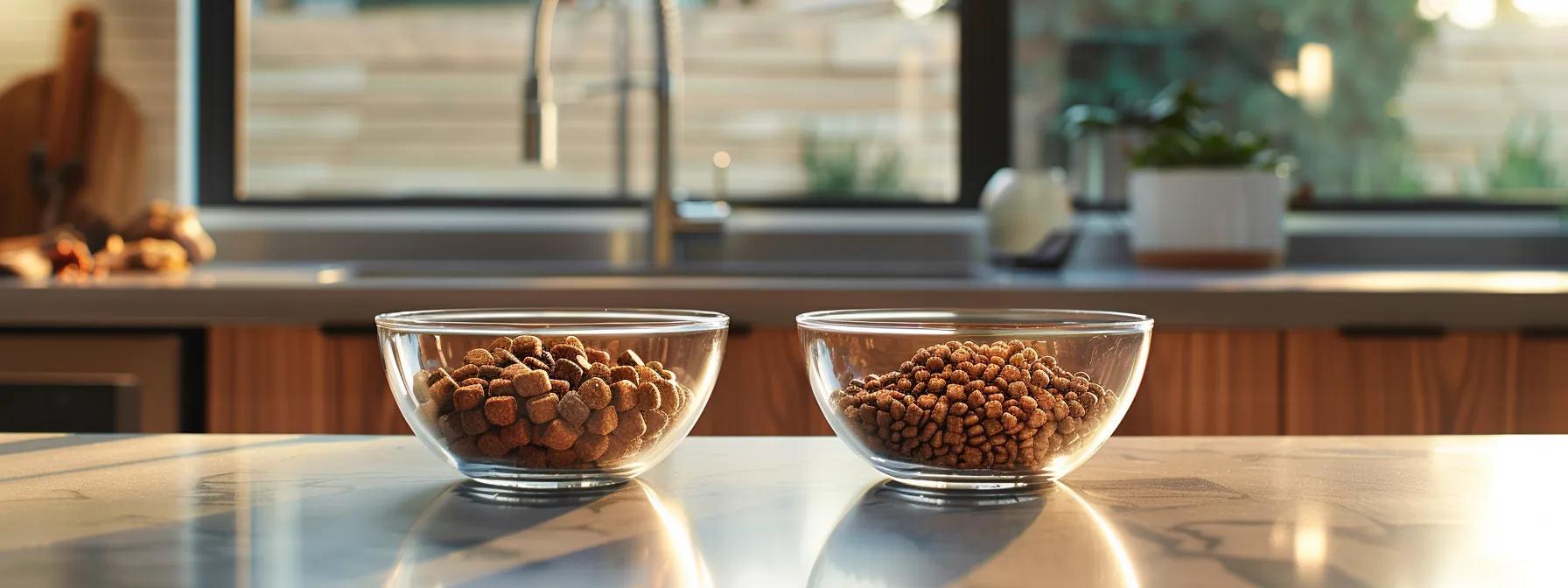
Transitioning a beloved pet from an adult to a senior diet can be challenging, yet it is an important step in supporting their overall health and wellbeing. As dogs age, their nutritional needs shift to accommodate changes in metabolism, activity level, and overall health. Pet owners often encounter questions such as when the right time to switch foods is and what signs they should look for in their aging companion. The process also involves understanding special ingredients beneficial for senior dogs, choosing the right senior food formulas, and implementing a gradual transition plan. This comprehensive guide is designed to provide pet owners with clear, practical instructions from a veterinarian technician’s perspective, ensuring their furry friends adapt to a healthier diet in their golden years.
In this article, we will explore the common signs that indicate your dog is entering their senior stage and explain how age affects their nutritional needs. We will share available senior dog food options and guide you step-by-step through the process of transitioning your dog’s food. We will also discuss monitoring techniques to ensure your pet’s health during the transition and delve into the benefits of feeding senior dog food. Finally, the guide will suggest additional supplements or meal toppers, along with answers to frequently asked questions that address concerns such as feeding frequency, cost, and whether a switch back to adult food is advisable.
Understanding the dietary shift needed for senior dogs is critical because as dogs reach their senior years, their metabolism slows and they become more susceptible to food intolerances, weight gain, and various chronic health issues. They often require lower calorie, lower fat diets with added fiber and supplements to promote joint health and support cognitive function. Additionally, certain breeds may require special dietary considerations to manage breed-related issues, such as larger breeds facing joint problems or smaller breeds becoming overweight if not carefully managed. Pet owners need to recognize these hints early to ensure that their dogs receive appropriate nutrition, which can extend their lifespan and maintain their quality of life.
The following sections will cover everything from determining the right time for dietary transition and deep-diving into the best senior food options to outlining a safe transition plan, monitoring progress, and addressing common concerns. This guide serves as an essential resource for every pet owner ready to embark on this important health journey with their furry friend.
Determining the right time to switch your dog to senior food involves careful observation of physical and behavioral changes. Most dogs are considered seniors between the ages of 7 and 10 years, depending on breed and size. Smaller breeds may transition later, while larger breeds often show signs of aging earlier. The right time is when noticeable changes such as decreased energy levels, altered appetite, slower movement, or early signs of joint stiffness occur. Recognizing these signs early allows you to adjust their daily meals gradually and avoid abrupt changes that might upset their stomach or cause food intolerance. As dogs age, their caloric needs decline while their need for specific nutrients, like carbohydrates for quick energy and higher quality proteins for muscle maintenance, becomes more important.
The common signs that indicate your dog is entering their senior years involve both physical and behavioral cues. Senior dogs often display reduced energy and activity, requiring more frequent naps and a less vigorous play routine. Additionally, some may experience weight changes due to a slower metabolism or lose muscle tone. They might also show increased stiffness, especially after resting, along with a decline in sensory functions such as vision and hearing. Changes in appetite or digestive patterns can signal the need for dietary adjustments. For example, if your dog struggles to gain weight despite increased food intake or seems to lose appetite unexpectedly, these could be early warnings that their nutritional needs have shifted. Behavioral cues like increased irritability or a need for extra comfort also suggest that a dietary transition to senior dog food might be beneficial.
Age significantly affects a dog’s nutritional needs as metabolic rate declines and organ function gradually diminishes. As your pet grows older, nutrient absorption tends to decrease, meaning they may require food richer in easily digestible proteins and lower in calories to help prevent obesity. Senior dog foods are typically formulated with a balanced mix of vitamins, minerals, and antioxidants to help mitigate the effects of aging on their immune system. Ingredients such as glucosamine and chondroitin support joint health, reducing the risk of arthritis—a common issue in older dogs. The carbohydrate profile in senior diets is generally adjusted to provide sustained energy, preventing sudden spikes or drops in blood sugar levels. Ultimately, the formulation focuses on supporting long-term organ health, cognitive function, and maintaining a healthy weight while being gentle on the digestive system.
Choosing the best senior dog food options involves understanding the specific nutritional requirements of an older dog and matching them with proven dietary formulations. The ideal senior dog food is designed with high-quality proteins, healthy fats, essential vitamins, and minerals that cater to a reduced metabolism. Many offerings now include joint support supplements like omega-3 fatty acids, as well as antioxidants to boost the immune system. Senior dog foods also tend to have added fiber to support healthy digestion.
Essential ingredients have been scientifically shown to support senior dog health. High-quality proteins from lean meats such as chicken, turkey, and beef are critical because they help maintain muscle mass and promote tissue repair without overburdening the kidneys. Healthy fats, particularly omega-3 and omega-6 fatty acids, support skin health and cognitive function while reducing joint inflammation. Carbohydrates from sources like sweet potato and brown rice provide steady energy without causing rapid blood sugar spikes. Additionally, supplements like glucosamine, chondroitin, and antioxidants—including vitamins E and C—help mitigate aging by preserving joint health, preventing cellular damage, and enhancing immune response. These ingredients work synergistically in senior formulas to provide a balanced diet tailored to a less active but more vulnerable system.
Choosing senior food for your dog should be customized by considering both breed and size. Larger breeds typically develop joint issues faster and benefit from diets enriched with joint support supplements like glucosamine and chondroitin, while smaller breeds often require food with slightly higher calories to counteract a naturally higher metabolism. Breed-specific needs also come into play—for example, dogs with sensitive stomachs might benefit from formulas with easily digestible carbohydrates and prebiotics. Consulting with a veterinarian or pet nutritionist can help provide personalized recommendations based on your dog’s health history, weight, and dietary needs. Reviewing the ingredient list critically ensures that the formula supports overall longevity, including brain and immune health, and is tailored to mitigate breed-specific health risks.
Yes, special formulas exist for senior dogs with particular health conditions, and these foods are designed to address issues such as kidney disease, arthritis, obesity, and food allergies. For those with chronic health conditions, it is often necessary to feed food that is low in phosphorus and sodium to ease the strain on compromised organs. Additionally, dogs with joint issues can benefit from formulations with higher levels of joint-supporting compounds and anti-inflammatory ingredients like omega-3 fatty acids. Some senior diets are also tailored to be hypoallergenic, using alternative protein sources to minimize adverse reactions while still providing high-quality nutrition. These specialized diets are typically available through veterinary channels and recommended after consultation with a pet veterinarian.
Transitioning your dog from adult to senior food should be done gradually to ensure a smooth changeover and minimize digestive upset. A gradual transition helps your dog’s digestive system adapt to the new formulation without causing sudden disturbances such as diarrhea or food intolerance. It also allows time to monitor your dog’s response to new nutrients, ensuring the senior food's benefits are evident while adverse effects are minimized.
The ideal timeline to switch from adult to senior dog food generally spans 7 to 10 days. During the first few days, pet owners should start by mixing a small amount of senior food with the current adult food. A typical regimen may begin with 25% senior food mixed with 75% adult food for 2 to 3 days, then gradually shift to a 50/50 mix over the next 2 to 3 days. After that, increase the senior food portion to 75% for another couple of days before completely transitioning to a full serving of senior food. This gradual process not only prevents gastrointestinal disturbances such as diarrhea or vomiting but also gives owners the opportunity to observe any changes in their dog’s energy, appetite, or overall health. Adjustments may be made based on your dog’s response, so it is important to consult your veterinarian if any issues arise.
To safely mix senior food with your dog's current diet, start by measuring precise portions of each food type. Introduce the senior food in small amounts to allow your dog’s stomach to adjust gradually. During the initial phase, mix 25% senior food thoroughly with 75% of the previous adult food in your dog’s bowl. Stir the mixture well so that your dog is not exposed to large clumps of new food, which can lead to digestive discomfort. Over successive days, incrementally increase the proportion of senior food while reducing the amount of adult food. Consistency in mixing is key to ensuring your dog receives an equal distribution of both food types, leading to a smoother transition. Regular feeding times and consistent portions help the digestive system adapt and ensure that the new nutrients are well absorbed.
Challenges may arise during the transition to senior dog food, such as digestive upset, refusal to eat, and altered stool consistency. One common issue is temporary diarrhea or loose stools as the dog's digestive system adjusts to new ingredients. If this occurs, extending the transition period by a few days and offering small, frequent meals can help. Some senior dogs may initially be reluctant to try the new food due to changes in flavor or texture; in these cases, mixing in a small amount of a tasty topper or low-fat broth can entice them to eat while still receiving necessary nutrients. Another challenge is weight management; while senior dogs typically require fewer calories, reduced appetite or other health conditions may complicate this balance. It is essential to monitor their weight throughout the process and consult your veterinarian if significant changes occur. Patience and close observation are key to successfully navigating the transition period.
Monitoring your dog’s health during the transition to senior food is critical to ensure their well-being and to confirm that the new diet is having the desired effects. During the first weeks of transition, it is important to keep a detailed eye on their behavior, energy levels, digestive patterns, and overall condition. Regular weigh-ins, checking stool consistency, and observing any changes in activity serve as effective indicators. Additionally, maintaining communication with your veterinarian can help track subtle changes and adjust the dietary plan as needed. By monitoring these critical parameters, you can determine if the transition is successful or if further adjustments are required for your dog’s specific needs.
A successful transition to senior dog food is indicated by several key signs that demonstrate improved health and adaptation. First, consistent energy levels throughout the day show that your dog is digesting the food properly. A stable, healthy weight without sudden gains or losses also suggests that the new diet is well balanced. In addition, normal stool quality—formed, regular bowel movements with no signs of diarrhea or constipation—indicates a thriving digestive system. Other positive signs include an improved coat shine from better fatty acid profiles, decreased joint stiffness due to added supplements, and overall behavior improvements such as increased alertness or reduced lethargy. When these indicators are observed over a few weeks, it reaffirms that the new senior food is nutritionally supporting your dog’s aging body.
While many dogs tolerate the transition to senior food smoothly, there are times when you should consult a veterinarian. If during the transition you observe persistent gastrointestinal upset, such as chronic diarrhea, vomiting, or severe discomfort, professional advice should be sought immediately. Additionally, if your dog shows significant weight loss or gain, prolonged lethargy, or other marked changes in behavior, these may indicate underlying health issues that require veterinary intervention. Regular check-ups during the transition phase can help detect potential complications early and allow for necessary adjustments. Veterinary guidance is important if your dog has preexisting conditions, such as kidney or liver disease, where specialized dietary modifications are crucial.
Feeding your senior dog specially formulated food offers numerous benefits that impact every aspect of their health. These benefits range from improved joint and cognitive health to better weight management and sustained energy levels. As dogs age, their digestive systems, joints, and cognitive functions naturally decline. Senior dog food is designed to target these specific issues by incorporating ingredients that support each area. By addressing joint stiffness and promoting brain health with added vitamins, antioxidants, and anti-inflammatory agents, senior diets can lead to a better quality of life for your pet. Moreover, these foods help maintain nutrient balance while minimizing the risk of obesity, a common concern in older dogs.
Senior dog foods are uniquely formulated to support joint and cognitive health through specific nutrients that have long been established by research. For joint support, ingredients such as glucosamine and chondroitin assist in the repair and maintenance of cartilage, reducing inflammation and pain associated with arthritis. Omega-3 fatty acids, commonly derived from fish oils, further enhance this benefit by reducing systemic inflammation. Similarly, the support for cognitive health comes from antioxidants like vitamins E and C, which fight oxidative stress—a leading factor in cognitive decline. Additionally, some formulations include proprietary blends or extracts, such as those from turmeric, which may aid in neuroprotection. This integration of components provides a dual-action effect that preserves joint function and supports cognitive processes like memory and learning.
Yes, senior dog food plays an essential role in managing both weight and energy levels. As dogs age and their metabolism slows, a diet designed for younger, more active dogs can lead to unintended weight gain if not adjusted. Senior dog foods are typically lower in calorie density while being rich in high-quality proteins and essential nutrients, ensuring energy levels remain stable without causing obesity. These formulations often include optimal levels of fiber, which aid in proper digestion and prolong satiety, reducing the urge to overeat. Additionally, the inclusion of complex carbohydrates provides a steady, sustained release of energy rather than quick spikes and crashes. With these balanced nutritional profiles, senior dog food helps maintain a healthy body weight, improves sustained energy throughout the day, and supports overall vitality without overloading an older dog’s sensitive systems.
While a complete senior dog food provides a strong nutritional foundation, additional supplements or meal toppers can further enhance your pet’s intake by addressing specific issues such as joint pain, digestive inefficiencies, or reduced coat quality. Many pet owners consider these enhancements to fine-tune their dog’s diet, ensuring that they receive adequate levels of essential nutrients that might sometimes be lacking in a standard diet. Supplements are generally available in powders, capsules, or liquids that can be mixed directly with food. Meal toppers, on the other hand, increase palatability and add texture variety, which can be particularly beneficial for dogs with reduced appetite or dental concerns. When choosing supplements or toppers, it is critical to select products formulated specifically for senior dogs and to consult with your veterinarian to avoid over-supplementation or nutrient imbalances.
Certain supplements have been identified as particularly beneficial for senior dogs when combined with their regular diet. Glucosamine and chondroitin supplements are widely recognized for their effectiveness in supporting joint health, helping reduce stiffness and improve mobility. Omega-3 fatty acids and fish oils are excellent for maintaining a healthy coat, skin, and cognitive function by reducing inflammation throughout the body. Probiotics are often recommended to support digestive health, ensuring that older dogs can efficiently absorb the nutrients from their food. Antioxidants such as vitamins C and E help combat oxidative stress and support overall cellular health, contributing to improved immunity. Additionally, some pet owners opt for supplements like milk thistle, which supports liver health and detoxification. Using these supplements under veterinary guidance allows for a tailored approach to complementing the nutritious profile of senior dog food.
Introducing meal toppers during the transition to senior dog food should be done gradually alongside the new diet to ensure they do not upset your dog’s sensitive stomach. Begin by adding a small amount of a reputable meal topper to the food once your dog has started acclimating to the senior formula. Ideal meal toppers include nutrient-rich options like pureed vegetables, bone broth, or specially formulated topper blends that provide added vitamins and antioxidants. Start with just a tablespoon mixed thoroughly into the meal, then gradually increase while closely monitoring for any digestive upset or changes in appetite. Consistency and careful observation are key; if your dog accepts the meal topper well and shows no adverse reactions, you can incorporate it regularly to enhance flavor and nutritional value. Always consult with a pet nutritionist or veterinarian for the appropriate product and serving size.
Pet owners naturally have many questions about transitioning their dog to senior food and maintaining nutrition post-transition. Addressing these common questions effectively helps establish confidence and reduces anxiety about potential risks. The transition involves not only switching foods but also monitoring health outcomes, ensuring digestibility, and sometimes even reverting back if necessary. Below, several frequent concerns are addressed, ranging from the feasibility of reverting to adult food if needed to scheduling feeding times and managing costs, ensuring that dog owners feel equipped to manage the dietary shift while staying alert to health needs.
In most cases, once a senior dog has successfully transitioned to a senior diet with positive responses in energy, stool consistency, and overall health, switching back to adult food is not recommended. Adult food is typically designed for higher activity levels and may not provide the nutrients needed for an aging metabolism. However, if your dog experiences significant gastrointestinal upset or nutritional deficiencies seemingly linked to the senior formula, consult your veterinarian before making any changes. In exceptional cases, gradual reintroduction of adult food might be considered, but always under professional guidance to ensure that the diet continues to meet your dog’s specific health requirements. The primary goal is to maintain a balanced, health-supportive diet for your senior pet.
Feeding frequency for senior dogs generally differs from that of younger dogs due to lower energy expenditure and reduced metabolism. Typically, it is recommended to feed senior dogs two to three smaller meals per day rather than one large meal. This approach can help with digestive health by preventing drastic blood sugar fluctuations and easing the workload on the digestive system. Smaller, more frequent meals also help maintain a steady level of energy throughout the day. Some owners might even try a slow feeder bowl or puzzle feeder to stimulate the mind during mealtimes. However, specific feeding schedules should account for your dog's individual health, activity level, and any preexisting conditions. It is best to work with your veterinarian to create a tailored feeding plan that ensures a consistent nutrient intake.
Cost considerations are important when transitioning to senior dog food because higher-quality ingredients and specialized formulations tend to be more expensive than regular dog food. Senior dog food is often priced at a premium due to the inclusion of targeted supplements such as glucosamine, omega fatty acids, and antioxidants. In addition to the base cost, pet owners might also consider extra expenses for meal toppers or supplements to support joint and cognitive health. While the initial investment might be higher, these specialized diets can potentially reduce future veterinary costs by preventing common age-related issues such as obesity, joint degeneration, or digestive problems. It is advisable to compare products based on ingredient quality, nutritional profiles, and verified health benefits rather than solely on price.
Below is a detailed list and several tables summarizing necessary information regarding the transition to senior dog food, nutritional ingredients, and common supplements to enhance your pet’s diet.
Before diving into the tables, here is a brief summary: Choosing a senior dog food involves comparing essential nutritional attributes such as protein quality, fat content, fiber, and added supplements. The table below presents a comparative view of several popular senior dog food formulations.
This table offers a glance at the nutritional composition of various senior dog food options, highlighting key components critical for a balanced diet in aging dogs.
This table summarizes the most common supplements used to complement senior dog diets, providing details on their primary benefits and suggested dosages.
Before using any supplements, pet owners should discuss these options with their veterinarian to ensure they align with the overall dietary approach.
The following table outlines a sample feeding schedule and transition timeline for shifting from adult to senior dog food.
This schedule serves as a guideline and can be modified based on your dog’s needs and your veterinarian's recommendations. Gradual changes can minimize gastrointestinal disturbances and ensure a smooth nutritional transition.
Q: What are the early signs that my dog needs to switch to senior food? A: Early signs include reduced energy levels, morning stiffness, changes in appetite, or noticeable weight fluctuations. Dogs may also show a decline in coat health or behavioral changes such as increased lethargy or irritability. Observing these signs over time and consulting with a veterinarian can help determine the ideal time for transition.
Q: How do I know if my dog’s senior food is working well? A: A successful transition is indicated by steady energy levels, normal digestive patterns, and stable weight. Positive signs include improved coat quality, reduced joint stiffness, and overall vitality. If your dog shows these improvements and has regular bowel movements, the senior food is likely meeting their nutritional needs.
Q: Can I use supplements with the new senior diet? A: Yes, supplements such as glucosamine, chondroitin, and omega-3 fatty acids can complement the new diet by targeting joint and cognitive health. However, it is essential to consult your veterinarian to ensure the supplements do not interfere with any existing health conditions or medications.
Q: What if my dog refuses the new senior food during transition? A: If your dog resists the new food, try mixing in a small amount of a tasty topper or low-fat broth to enhance flavor. Continue the gradual transition by slowly increasing the percentage of senior food while monitoring their appetite. Patience is key, and if refusal continues, consult your veterinarian for alternative recommendations.
Q: How often should I monitor my dog’s health during the transition? A: It is advisable to monitor your dog through daily observations and weigh-ins, especially during the first two weeks. Regular check-ups every few weeks with your veterinarian can help catch any potential issues early. Consistent monitoring ensures that any changes in behavior, weight, or digestion are promptly addressed.
Q: Are there any specific dietary ingredients to avoid in senior dog food? A: Senior dog food should avoid high levels of saturated fats and excess calories that can lead to obesity. Additionally, artificial additives, preservatives, and fillers that provide little nutritional benefit should be limited. Instead, focus on natural, whole-food ingredients offering both nutritional value and health benefits tailored to aging dogs.
Q: Can I mix treats or homemade food with senior dog food? A: Yes, treats and homemade foods can be incorporated as long as they are balanced and do not constitute the majority of the diet. Treats should be low in calories and free from harmful additives. When adding homemade food, ensure it complements the senior food’s nutritional profile without leading to overfeeding or nutrient imbalances.
By following these detailed guidelines, pet owners can ensure that switching to senior dog food is a smooth, beneficial process that improves overall health and vitality. Each step—from recognizing early signs of aging to carefully monitoring the transition and supplementing with targeted nutrients—contributes to the well-being of your senior dog. The right dietary transition not only supports physical functions like joint health and cognitive abilities but also reinforces overall immune function, allowing senior dogs to enjoy their later years with renewed energy and comfort.
Choosing the best senior dog food and adhering to a gradual transition plan can markedly influence your pet’s longevity and quality of life. With careful consideration of ingredients, proper mixing methods, and regular monitoring, you can ease the process while addressing any challenges that arise along the way. Remember that every dog’s needs are unique; consulting with your veterinarian throughout the process is critical to ensuring that the new diet supports your dog’s specific health requirements.
Ultimately, a well-planned transition to senior dog food sets the foundation for a healthier, happier life for your aging companion. The right nutritional approach not only reduces the risk of common health issues such as obesity and joint pain but also bolsters cognitive function and overall vitality—ensuring that your pet remains an active, engaged part of your life for many more years to come.





Disclaimer: Information provided through the Site should not be considered veterinary medical advice, is not intended to diagnose, treat or cure your pet and is not a substitute for professional veterinary care advice, diagnosis or treatment from a treating veterinarian. For any medical or health related advice concerning the care and treatment of your pet, contact your regular veterinarian or local veterinary hospital. This site is informational, only, not definitive; it is up to you to consult with a veterinarian. Use of this site is subject to your agreement to these Terms and Conditions.