
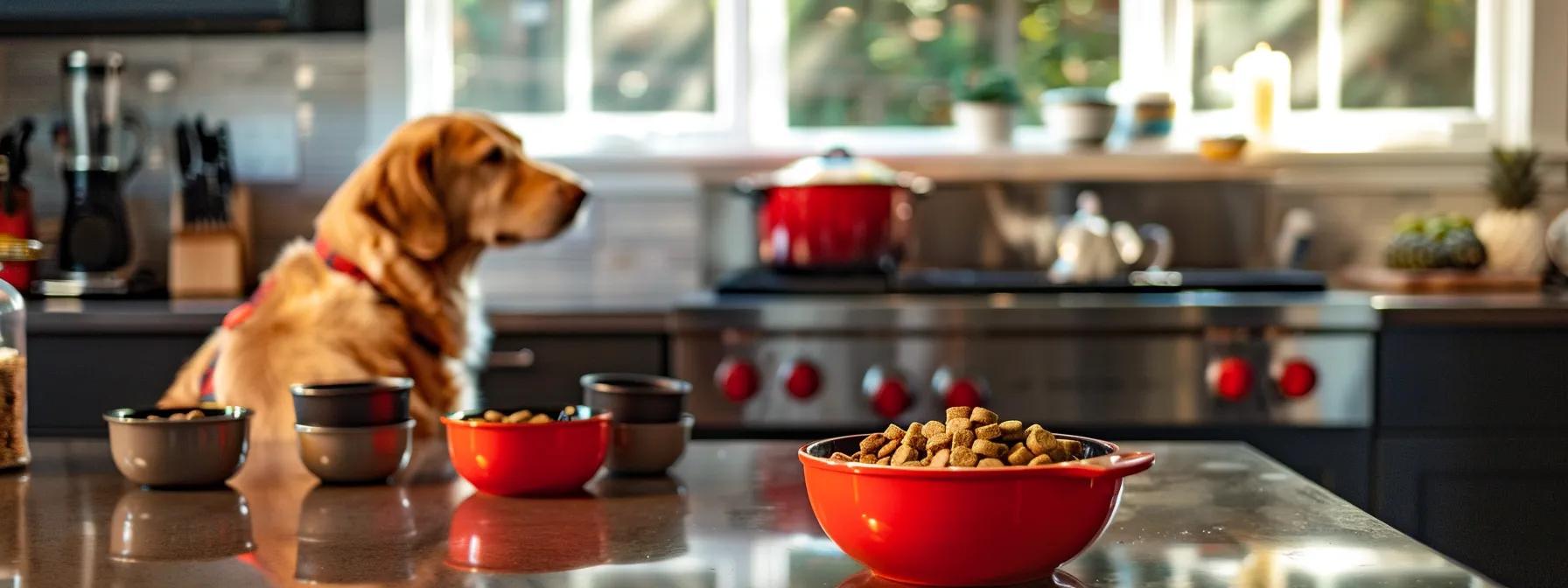
Finding the right portion size for senior dogs can be challenging, especially as our four-legged companions age and require different nutritional needs to support their welfare. As dogs grow older, their energy metabolism, weight management, and overall nutrition need change considerably, making it essential for pet owners to adjust feeding amounts and types accordingly. Senior dogs face unique difficulties such as reduced activity, health concerns like arthritis or liver problems, and alterations in digestion. Incorrect portion sizes can lead to underfeeding or overfeeding, which in turn can result in problems like obesity or malnutrition. The quantity of food provided, in terms of calories and nutrients, must balance the needs for muscle maintenance while supporting a healthy immune system, protecting vital organs like the liver, and reducing risks associated with obesity or nutrient deficiencies.
This comprehensive senior dog food guide will explain how various factors—including age, weight, activity level, and health conditions—affect the appropriate portion sizes for senior dogs. It also provides simple calculations and adjustments for tailoring the portions based on breed, size, and activity. In addition, the guide reviews the best types of senior dog food that offer proper portion control and nutritional support, and it clarifies the feeding schedules that can optimize digestion and overall health. Over the course of this article, pet owners will learn not only how to calculate and monitor their senior dog’s food portions but also ways to adjust these portions according to the dog’s progressive needs over time. Along with expert tips, the article includes tables and detailed lists that outline common mistakes, providing actionable steps for avoiding both overfeeding and underfeeding scenarios.
Understanding proper portion sizes for senior dogs is crucial for maintaining their quality of life and longevity. Too much food may contribute to obesity and related complications, while too little can result in muscle wasting and nutrient deficiencies. With guidance based on current animal nutrition research and advice from veterinary professionals, owners can confidently manage their pet’s diet. The sections that follow address the factors affecting portion sizes, calculation methods, best food types for seniors, feeding frequency, effective monitoring of portion sizes, common pitfalls, and resources for additional support.
Determining the correct portion size for senior dogs requires careful consideration of multiple factors that influence both energy needs and nutritional requirements. This section explores how age, weight, activity level, and health conditions contribute to the determination of precise feeding amounts, ensuring that senior dogs receive balanced diets that foster healthy metabolism and overall vitality.
The first factor that influences the portion size of senior dogs is age. As dogs age, their metabolism gradually slows down, resulting in a decrease in their daily caloric requirements. Reduced metabolism in older dogs means that they burn fewer calories compared to when they were younger and more active. Additionally, aging dogs experience muscle loss, which further reduces their energy needs but also necessitates nutrient-rich diets to counteract muscle atrophy and support cognitive functions. For instance, some studies indicate that senior dogs may require up to 20% fewer calories than their younger counterparts. It is essential, therefore, that portion sizes are adjusted to ensure that while caloric intake is reduced, the food still provides adequate levels of protein, vitamins (such as vitamin E and vitamin A), and minerals necessary to support immune function and overall health. The Association of American Feed Control Officials often emphasizes the importance of proper nutrient density in diets for aging pets. Adjusting portion sizes as dogs grow older can also prevent the development of obesity, which is more common in sedentary senior dogs and can lead to joint pain, diabetes, and other health concerns.
Weight is a crucial metric in dictating the appropriate feeding portion for senior dogs. A dog’s weight is an immediate indicator of its current metabolic needs and provides insight into its overall body condition. For example, overweight senior dogs may require not only reduced calories but also a diet that is lower in fat while providing extra fiber to aid digestion and promote satiety. In contrast, underweight or malnourished senior dogs may need slightly increased portions or nutrient-dense feeding to help build or maintain muscle mass and boost energy levels. Veterinarians often use a body condition score (BCS) system to evaluate whether a dog is at an ideal weight, underweight, or overweight; adjusting the portion size accordingly ensures that the dog maintains a healthy weight, thereby reducing potential health risks such as heart disease and joint issues. Accurate weight measurement, taken regularly, helps in the fine-tuning of portions over time, ensuring that dietary adjustments align with the dog’s ongoing health needs.
A senior dog’s activity level and existing health conditions play a significant role in determining the right portion size. Older dogs with lower activity levels naturally require fewer calories, as there is less energy being expended. Conversely, senior dogs that remain moderately active or have a particular predisposition for high energy levels may require slightly larger portions or a diet that includes specific energy-boosting nutrients such as omega-3 fatty acids or high-quality protein sources. Moreover, health conditions such as arthritis, kidney disease, or diabetes necessitate specialized nutritional requirements. For instance, dogs with joint problems may benefit from diets enriched with glucosamine and chondroitin, while those with kidney concerns may need low-protein, low-phosphorus diets. Conditions such as hypothyroidism may also alter metabolism, which would in turn affect the ideal portion size. Overall, a comprehensive assessment by a veterinarian, considering both the physical activity and health issues, is imperative to adjust portion sizes accurately and to choose the most appropriate dietary formula for a senior dog.
Calculating the appropriate portion size for senior dogs involves combining general guidelines from veterinary nutrition experts with adjustments tailored to each dog’s specific breed, weight, and activity level. This approach ensures that the food provided meets the dog’s caloric needs while addressing the specific health concerns common to older pets.
Basic portion size guidelines for senior dogs typically begin with the recommendation of feeding them 2% to 3% of their ideal body weight per day. For example, a senior dog with an ideal weight of 30 pounds should be fed between 0.6 and 0.9 pounds of food daily. These guidelines are designed to provide a baseline that can be adjusted based on the dog’s individual metabolism, activity, and overall health. It is essential to note that the calorie content and nutrient density of different dog foods vary, so owners must read labels carefully—especially those approved by the Food and Drug Administration or recommended by a nutritionist—to ensure that the portion size reflects both the quality and quantity of nutrition provided. Additionally, it is often recommended to split the food into two or more meals per day to aid in digestion and prevent bloating. Using portion size calculators available online can assist pet owners in translating these percentages into measurable amounts, taking into account the specific calorie content of the dog food being used. Monitoring the dog’s weight and body condition score over time is crucial to adjust the portions if the dog either starts gaining extra weight or loses too much muscle mass.
Breed and size are important factors when adjusting the portion size for senior dogs because different breeds have differing energy needs. For instance, smaller breeds often have faster metabolisms and may require more calories per pound of body weight compared to larger breeds, which generally require fewer calories overall. However, large or giant breeds are also more prone to joint issues, so their diets may need to be adjusted to include joint-supporting ingredients while keeping calorie intake in check. A guide for owners is to start with a percentage of the ideal body weight and then tailor it based on breed-specific activity levels and metabolism. Specialized dog food formulas for senior pets often list feeding guidelines on the packaging, which are based on extensive research and controlled feeding studies. These guidelines may suggest adjustments such as decreasing portions for breeds prone to obesity or increasing them for highly active breeds. Regular check-ups with a veterinarian are essential to evaluate whether the current portion sizes are appropriate or need to be recalibrated.
Yes, a portion size calculator can be a useful tool in determining the correct portion size for senior dogs. These online calculators work by having you input your pet’s age, weight, breed, activity level, and sometimes even specific health conditions to provide a recommended daily calorie intake. Once the calorie intake is determined, you can compare this with the calorie content of your dog food as listed on the packaging. For instance, if the calculator suggests that a senior dog requires 800 calories per day and the dog food provides 400 calories per cup, then about 2 cups of food per day would be appropriate, often split into two meals. However, while calculators offer a good starting point, it is important for pet owners to monitor their dog’s weight and adjust the portions accordingly. The results provided by these tools are only estimations, and real-world factors such as the dog’s appetite and energy expenditure may necessitate minor tweaks. Consulting with a veterinarian is recommended for personalized advice and to ensure that any adjustments remain aligned with the dog’s overall health goals.
Selecting the right type of senior dog food is as important as determining the correct portion size. Senior dogs benefit from diets that are formulated to support reduced metabolism, joint health, and organ function. Nutrient-dense foods with controlled calorie content and added supplements can help meet the specific needs of older dogs while ensuring that portion sizes remain manageable and effective in promoting overall health.
Different senior dog food formulas are designed with specific dietary needs in mind. For example, some foods are formulated with higher-quality proteins and lower fat percentages to support lean muscle maintenance while preventing obesity. Special formulas may include antioxidants, omega fatty acids, and joint-supporting ingredients such as glucosamine and chondroitin to support aging tissues and reduce inflammatory responses. These formulas often have slightly different caloric densities compared to standard adult dog foods. Therefore, it is crucial that pet owners read product labels and nutrition facts to determine how much food to give per serving. Foods with a lower caloric density may require larger volume portions to meet daily energy needs, while higher-calorie diets might require smaller amounts. Being aware of these differences helps avoid overfeeding—a common pitfall with calorie-dense senior diets—and ensures precise portion control aligned with a dog’s daily requirements. Manufacturers often include feeding guides that estimate serving sizes based on weight and activity levels, which can serve as a useful reference for determining adjustments when switching between different food formulas.
Choosing senior dog foods that are either vet-recommended or nutritionist-approved is crucial because these products are formulated based on current research and clinical expertise. Veterinarians and pet nutritionists have in-depth knowledge about the specific nutritional needs of aging dogs, which includes optimal protein quality, essential vitamins, minerals, and the proper balance of fats and carbohydrates. Foods that carry these recommendations typically undergo rigorous testing to ensure they meet safety standards and provide balanced nutrition. They often integrate ingredients that promote digestive health, boost the immune system, and support the energy levels necessary for daily senior activities. Moreover, these products usually include clear and consistent feeding guidelines, assisting pet owners in properly measuring and adjusting portions. Using trusted sources eases the burden on pet owners when deciding the right type of food and helps ensure that the dog receives nutrients that contribute to long-term health and quality of life.
Reading senior dog food labels is essential for ensuring proper portion control and understanding the nutritional content of the food. Labels on pet food packaging typically include information on the guaranteed analysis, which lists percentages of protein, fat, fiber, and moisture, as well as a list of ingredients in descending order by weight. Additionally, the packaging often provides feeding guidelines based on the dog’s weight and sometimes age or activity level. Look for indications of additional supplements or vitamins—such as vitamin E for antioxidant support or fish oil for omega fatty acids—which are particularly beneficial for senior dogs. The calorie content (usually presented as kilocalories per cup) is critical because it directly influences how much to serve. By understanding how many calories are in each serving, pet owners can more accurately determine the quantity needed to meet the dog’s daily caloric requirement without overfeeding or underfeeding. It is also recommended to check if the food has met standards set by recognized authorities like the Association of American Feed Control Officials, which signifies that the food is balanced and safe for senior dogs.
Feeding frequency is another integral component of ensuring that senior dogs receive just the right portion sizes to support their health. A well-structured feeding schedule not only maintains constant energy levels and proper digestion but also helps in managing weight effectively. Regular meal times help older dogs with routine and can contribute to overall stability in their metabolic processes.
The recommended feeding schedule for senior dogs often differs from that of younger, more active dogs. Senior dogs typically benefit from being fed two to three times a day rather than a single large meal. Splitting the total daily portion into multiple smaller meals aids digestion, prevents gastrointestinal discomfort, and helps maintain stable blood sugar levels throughout the day. Many veterinarians recommend offering breakfast and dinner, with the option of a light mid-day meal for those dogs that are particularly prone to low energy or hunger. A balanced feeding schedule ensures that senior dogs do not experience prolonged periods without food, which can lead to hypoglycemia, especially in small breeds. Additionally, feeding at regular intervals reinforces positive routines and gives pet owners the opportunity to monitor appetite changes and overall health. This stability can be critical; for example, noticeable changes in eating habits may signal underlying health issues that warrant professional evaluation. Alongside scheduled meals, it is important to limit unscheduled snacking, as excessive treats can add extra calories that interfere with portion-controlled diets.
Feeding frequency has a direct correlation with both portion size and the overall quality of digestion in senior dogs. When meals are spaced out evenly over the day, smaller individual portions are less likely to overload the digestive system. This steady supply of nutrients allows the gastrointestinal tract to process food more efficiently, reducing the risk of digestive issues such as bloating, indigestion, or acid reflux—common ailments among older dogs. Proper feeding frequency also aids in maintaining consistent energy levels; rather than experiencing a sudden spike or drop in blood sugar, senior dogs receive a steady flow of nutrients that keeps them balanced. Moreover, regular meal timings contribute to weight management by preventing overeating during any single meal. Consistency in feeding routines not only supports a healthy digestive process but also enables pet owners to keep more accurate records of how much the dog is consuming, allowing them to adjust overall portions as necessary. Ultimately, controlling meal frequency and portion sizes collaboratively creates a structured, beneficial feeding environment, which is essential for maintaining metabolic health in aging dogs.
Ongoing monitoring of your senior dog’s portion sizes is vital for ensuring optimal nutrition as needs evolve with age. As older dogs experience changes in metabolism, mobility, and overall health, regular assessments of weight, body condition, and energy levels are important to fine-tune their diets. Professionals recommend a combination of daily observation and periodic veterinary check-ups to detect subtle shifts in physical health that may necessitate changes in portion sizes.
The first signs that a senior dog may need adjustments to its portion size typically include noticeable fluctuations in weight, changes in energy levels, and alterations in coat or skin condition. A dog that appears underweight may exhibit signs such as muscle wasting or behavioral lethargy, while an overweight dog might show reduced mobility or respiratory difficulty. Additionally, changes in appetite—either increased desire for food or a sudden loss of interest—can be a clear indicator that the current portion size is no longer appropriate. Body condition scoring, which can be self-administered by pet owners using guidelines from veterinary sources, allows for a more systematic assessment. For instance, if you observe that the dog’s rib cage is easily visible with little fat cover, or conversely, if there is significant flab around their body, these are key indicators that dietary portions should be reevaluated. Other clinical signs may include digestive disturbances such as diarrhea or constipation, which can pertain to too large or too small feeding amounts. Regular monitoring of these signs, alongside timely consultations with a veterinarian, ensures that any necessary adjustments are made in a timely manner.
It is beneficial for pet owners to consult a veterinarian at least biannually to discuss portion sizes and overall nutrition. However, if noticeable changes occur—such as rapid weight gain or loss, decreased mobility, or altered feeding habits—it is advisable to arrange an earlier consultation. Regular veterinary visits not only help in assessing the proper portion size through weigh-ins and body condition scoring but also provide additional insights on whether any underlying health conditions may be affecting appetite and metabolism. Veterinarians can offer tailored recommendations, sometimes suggesting specific dietary adjustments or medical interventions that go beyond nutritional changes alone. In addition to general check-ups, incorporating a diet review into any routine veterinary visit can help in catching changes early and ensuring that the dog’s nutritional needs continue to be met effectively.
Several tools are available to help pet owners monitor their senior dog’s weight and nutrition. Digital scales, along with body condition score charts, enable quantitative tracking of weight changes over time. Mobile apps dedicated to pet health management allow owners to input daily food intake, track activity levels, and record any deviations in behavior or appetite on a consistent basis. Many of these apps also integrate reminders for veterinary visits and nutritional assessments. Additionally, some pet food brands offer portion size calculators on their websites, which take into account the specific calorie content and nutrient density of their products. Combining these digital and traditional monitoring tools provides a comprehensive overview of the dog’s nutritional status. Regular record-keeping and periodic evaluations ensure that any required modifications to the feeding routine are implemented in a timely manner, promoting sustained health and longevity for senior dogs.
Even with thorough planning and careful monitoring, pet owners may inadvertently make common mistakes when determining portion sizes for senior dogs. These errors can lead to nutritional imbalances and health issues over time. Recognizing and avoiding these pitfalls is essential to maintaining a balanced diet that supports long-term health and vitality in aging pets.
Overfeeding senior dogs is a prevalent mistake that can result in obesity—a condition that is particularly risky for older animals. Excessive weight can exacerbate joint pain, reduce mobility, decrease life expectancy, and contribute to chronic conditions such as diabetes, heart disease, and liver issues. When a senior dog's portion sizes are too large, it may consume more calories than it can burn, leading to weight gain. Overfeeding can also result in digestive problems, including gastroenteritis and bloating, which may further compromise the dog’s health. Additionally, overweight dogs are at an increased risk of developing respiratory issues and may experience a decline in overall activity level, creating a harmful cycle. It is important for pet owners to measure portions accurately and follow feeding guidelines based on calorie content, while also avoiding the temptation to supplement meals with excessive treats or snacks.
On the opposite end, underfeeding is a mistake that can be just as harmful for senior dogs. Inadequate portion sizes can lead to nutrient deficiencies, weight loss, and a general decline in muscle mass—conditions which may result in weakness and a compromised immune system. Senior dogs rely on balanced nutrition not only for energy but also for supporting vital bodily functions such as organ performance and cognitive health. Underfeeding may also contribute to a loss of appetite, making it difficult for pet owners to maintain a consistent feeding routine. When dogs do not receive sufficient calories and essential nutrients, their quality of life decreases, and the risk of serious health complications, including malnutrition and increased susceptibility to infections, rises. Maintaining an optimal portion size through careful monitoring and regular consultation with a veterinarian is therefore critical to prevent these risks and to support healthy aging.
Treats and snacks can significantly impact the total caloric intake of senior dogs if not carefully controlled. Overindulgence in treats often leads to inadvertent overfeeding, while excessive snacking may also disrupt normal meal routines. It is essential for pet owners to account for the calories provided by treats when determining the main meal portions. Many experts recommend that treats should not exceed 10% of the total daily caloric intake. Additionally, consistency is key—a predefined schedule for treats helps avoid spontaneous extra feedings that can alter the dog’s overall diet. Opting for low-calorie, nutrient-rich treats can also be beneficial. Pet owners should always read the nutritional labels on treats and even consider using portion-controlled treat sizes. By integrating treats into the overall dietary plan, confusion over proper portion sizes is minimized, ensuring that the senior dog maintains a balanced and healthy diet.
Access to reliable resources is crucial for pet owners seeking to optimize the nutrition of their senior dogs. Given the variety of dietary products and feeding methodologies available, it is important to identify trustworthy sources and support systems that provide evidence-based guidance tailored to the specific needs of aging dogs. From professional veterinary advice to specialized apps and websites, there are numerous channels to ensure that senior dogs receive meal portions perfectly aligned with their health requirements.
There are several trusted websites and guides that offer comprehensive advice on senior dog nutrition and portion sizes. Reputable sources include websites run by veterinary schools, the Association of American Feed Control Officials, and established pet nutrition organizations. These websites often provide detailed feeding charts, portion size calculators, and articles based on current research. Many veterinary clinics also maintain blogs and information pages that offer free access to nutritional guides and frequently updated feeding recommendations. Additionally, professional pet nutritionists publish resources that cover both general feeding guidelines and breed-specific dietary needs, ensuring that pet owners are well informed. The Food and Drug Administration’s related information pages are also helpful in understanding regulatory standards for pet food nutrients. Utilizing these reliable resources can empower pet owners to make informed choices for their senior dogs’ diets.
Veterinarians and pet nutritionists are invaluable resources when determining the optimal portion size for senior dogs. These professionals use a combination of clinical experience, body condition scoring, and nutritional science to assess a dog’s unique dietary needs accurately. Regular consultations enable tailored advice that reflects changes in the dog’s weight, activity level, and health status. A veterinarian may recommend specific nutrient-rich or therapeutic diets, while a pet nutritionist can help design a feeding schedule that maintains stable calorie levels and supports an aging metabolism. Both can provide guidance on the proper balance of macronutrients and micronutrients—such as vitamin E for antioxidant support or necessary proteins for maintaining muscle mass—ensuring that portion sizes not only meet calorie needs but also support overall health. Professional advice is especially important when a senior dog has underlying health conditions that necessitate dietary modifications.
Yes, numerous digital tools and smartphone applications are available that offer personalized portion recommendations for senior dogs. These tools usually ask for details such as the dog’s age, breed, weight, activity level, and medical history to generate a tailored feeding plan. Many of these apps are updated regularly with the latest nutritional data and provide built-in calculators that convert the recommendations into measurable serving sizes based on the calorie content of different food brands. They also often include features like feeding reminders, daily logs, and progress tracking, which help pet owners monitor their dog’s weight and adjust portions accordingly. Using these digital resources in combination with professional veterinary advice can lead to a well-rounded approach that ensures accurate, timely adjustments to your senior dog’s diet.
The table above provides an example of how to track and adjust various factors that influence the portion size for senior dogs. Such data-driven approaches enable pet owners to make precise modifications over time.
Q: How do I know if my senior dog’s portion size is correct? A: The right portion size usually reflects your dog’s ideal body condition score; you should be able to feel the ribs without seeing them prominently. Regular weight checks, energy level assessments, and evaluations of coat and skin condition are essential indicators. If there are noticeable changes in behavior or body condition, it is advisable to adjust the portions or consult a veterinarian for further evaluation.
Q: Can I use a food scale to manage my senior dog’s portion sizes effectively? A: Yes, using a food scale is one of the most accurate ways to measure the exact amount of food. It helps avoid guessing and ensures that you consistently provide the same portion size. Regularly using a scale in conjunction with the feeding guidelines printed on the pet food packaging can help manage your dog’s calorie intake and promote steady, healthy weight management.
Q: Why do some senior dogs seem to need fewer calories than what the guidelines suggest? A: Senior dogs often experience a slowdown in metabolism and a decrease in muscle mass, which reduces their overall energy requirements. Additionally, factors like lower activity levels or health conditions can further reduce caloric needs. Veterinary assessments and regular weight monitoring can help determine the exact adjustments needed for your dog’s individual circumstances.
Q: How important is it to change my senior dog’s portion size over time? A: It is very important to adjust portion sizes as your senior dog ages and its metabolic needs change. Even minor fluctuations in weight or activity level can indicate a need for adjustment. Regular consultations with your veterinarian, combined with periodic weight measurements, ensure that your dog remains at an optimal weight and avoids the risks of obesity or malnourishment.
Q: Are specialized senior dog foods worth the extra cost for portion control? A: Specialized senior dog foods are often formulated with ingredients that support joint health, cognitive function, and overall vitality in older dogs. Although they may cost more, these foods often come with detailed feeding guidelines and are designed to meet the specific calorie and nutrient needs of aging dogs. In the long run, the benefits in terms of improved quality of life and potentially extended lifespan often outweigh the extra cost.
Q: How can I manage treats without upsetting the overall dietary balance for my senior dog? A: Treats should be carefully incorporated into your dog's overall daily calorie count, usually making up no more than 10% of the total calorie intake. Choose low-calorie or nutrient-enhanced treats, and adjust meal portions slightly if you plan on giving extra snacks. Keeping a food diary for both meals and treats can help ensure that your senior dog’s daily nutrition remains balanced and healthy.





Disclaimer: Information provided through the Site should not be considered veterinary medical advice, is not intended to diagnose, treat or cure your pet and is not a substitute for professional veterinary care advice, diagnosis or treatment from a treating veterinarian. For any medical or health related advice concerning the care and treatment of your pet, contact your regular veterinarian or local veterinary hospital. This site is informational, only, not definitive; it is up to you to consult with a veterinarian. Use of this site is subject to your agreement to these Terms and Conditions.